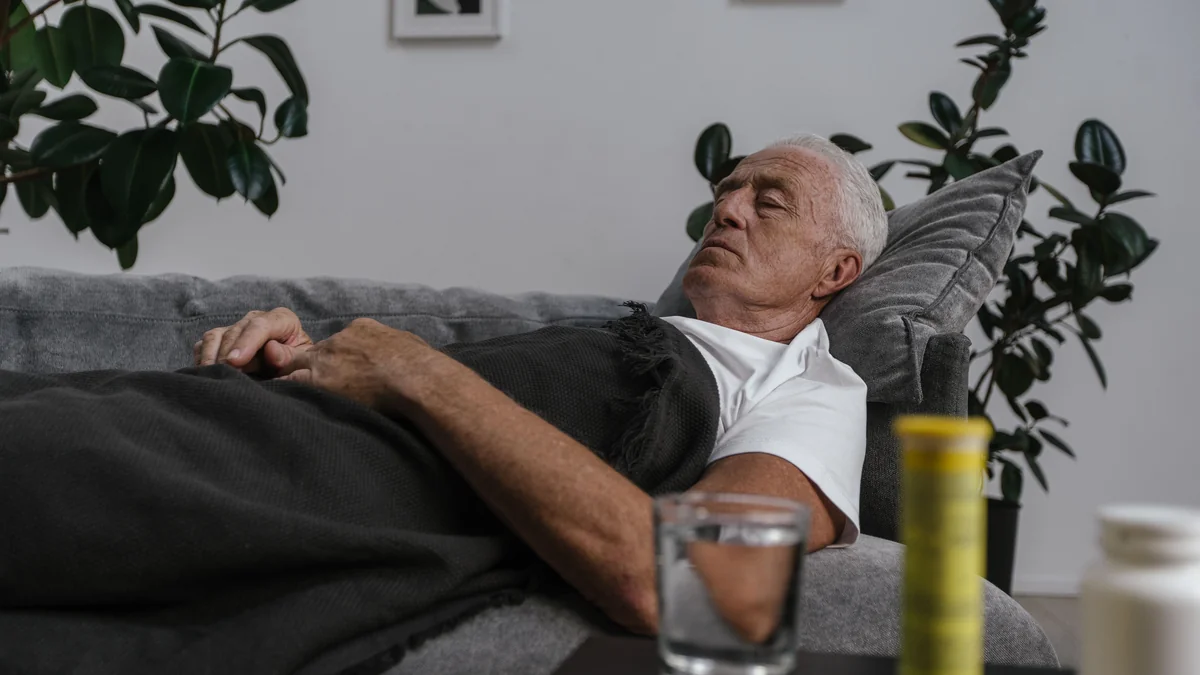
A cough that will not shift, a night of shivering, or a parent who is suddenly muddled and very tired: in older adults, pneumonia does not always look like the textbook version. It is a lung infection that ranges from mild to severe, and the risk of becoming seriously ill rises with age. Knowing the usual signs, the unusual ones and the moments that call for urgent help can make a real difference.
In short: pneumonia is inflammation of the lungs, usually caused by an infection. The NHS says that babies, older people, and people with heart or lung conditions are at risk of getting seriously ill and may need treatment in hospital. The Centers for Disease Control and Prevention (CDC) says adults aged 65 or older are at increased risk, and that risk keeps rising with age. Common signs are cough, shortness of breath, fever, chest pain and tiredness, but in older adults confusion may be the first change. Anyone with breathing difficulty, blue or pale lips, coughing up blood or sudden confusion needs emergency care.
What pneumonia is
According to the NHS, pneumonia is inflammation of the lungs, usually caused by a bacterial or viral infection. MedlinePlus describes it as an infection in one or both lungs that causes the air sacs to fill up with fluid or pus. It can be mild or severe, depending on the cause, your age and your overall health. The CDC notes that clinicians are not always able to find out which germ caused the illness.
Why older adults are at higher risk
The CDC says that for adults, those 65 years or older are at increased risk, and that an 80-year-old has a higher risk than a 65-year-old. Other factors raise the risk further:
- Long-term conditions. The CDC lists chronic heart disease, chronic liver disease, chronic lung disease and diabetes. MedlinePlus adds heart failure and kidney disease.
- A weakened immune system. The CDC says people with a weakened immune system are at greatest risk, and that many conditions and medicines can weaken the immune system.
- Habits. Smoking and drinking alcohol excessively increase risk, as does being around people who are sick.
- Trouble coughing or swallowing, for example after a stroke, which MedlinePlus lists as a risk factor.
- Season. Fall and winter are when respiratory germs typically spread more, though pneumonia can happen at any time of year, the CDC adds. For the wider picture of cold months, see our guide to cold weather and your heart after 60.
Signs and symptoms
The NHS says symptoms can start suddenly or gradually over a few days. They can include:
- a cough;
- shortness of breath;
- a high temperature;
- chest pain;
- an aching body;
- feeling very tired;
- loss of appetite;
- wheezing when you breathe;
- feeling confused, which the NHS says is common in older people.
The CDC also lists chills, nausea, vomiting or diarrhea, and chest pain when breathing or coughing. MedlinePlus describes a cough that is usually with phlegm, a type of thick mucus made in the lungs.
Pneumonia can look different in later life
MedlinePlus explains that older adults and people with serious illnesses or weak immune systems may have fewer and milder symptoms, and may even have a lower-than-normal temperature. Older adults who have pneumonia sometimes may feel weak or suddenly get confused. Sudden confusion is not the same as gradual forgetfulness; our article on normal memory loss versus dementia explains the difference, but a sudden change always deserves prompt medical attention.
MedlinePlus also notes that pneumonia can cause some of the same symptoms as a cold or the flu, which makes it hard to diagnose.
When to get help
Ask for an urgent appointment with your doctor if, according to the NHS:
- you have had a cough for up to 3 weeks;
- you are coughing up yellow or green mucus (phlegm);
- you have chest pain that comes and goes, or happens when breathing or coughing;
- you are feeling short of breath.
Seek emergency care immediately if, according to the NHS:
- you are struggling to breathe, such as choking, gasping and unable to speak;
- you have pale, blue or blotchy skin, lips or tongue;
- you are coughing up blood;
- you suddenly feel confused, for example you do not know where you are.
In an emergency, call your local emergency number or ask someone to take you. The NHS advises not to drive yourself, and to bring any medicines you take. If you are unsure whether the situation is urgent, contact a doctor the same day.
What causes pneumonia
The CDC says bacteria and viruses are common causes, while fungi and parasites are less common causes. MedlinePlus notes that bacteria are the most common cause, and that bacterial pneumonia can develop after a viral infection such as a cold or the flu.
The NHS says you can sometimes get pneumonia after another infection, such as flu, respiratory syncytial virus (RSV) or COVID-19. It can also be caused by something getting into your lungs, such as water or food, which is called aspiration pneumonia. MedlinePlus explains that this can happen when food or fluid is accidentally breathed in and cannot be coughed out.
How doctors diagnose it
MedlinePlus says a health care provider takes your medical history, asks about your symptoms and does a physical exam, including listening to your lungs with a stethoscope. They may order tests such as a chest X-ray or blood tests. If you are in the hospital, have serious symptoms, are older or have other health problems, more tests may be done, such as a check of the oxygen level in your blood.
Treatment and hospital care
Treatment depends on the type of pneumonia, which germ is causing it and how severe it is, MedlinePlus says. Antibiotics treat bacterial pneumonia and some types of fungal pneumonia, but they do not work for viral pneumonia, and in some cases a provider may prescribe antiviral medicines.
The NHS says you may need to go to hospital if you are over 65, have cardiovascular disease or a long-term lung condition, are very unwell, or are not getting better after taking antibiotics. In hospital you will usually be given antibiotics, and sometimes steroids, and you may be given oxygen to help you breathe.
If you are given antibiotics to take at home, the NHS says to keep taking them until you have finished them all, even if you start to feel better. Contact your doctor if you do not feel any better after taking them for 2 to 3 days. Never start, stop or change a medicine on your own.
Looking after yourself at home
The NHS lists several things you can do to help with recovery:
- rest until you feel better, and try to stay at home if you have a high temperature or do not feel well enough for normal activities;
- drink plenty of fluids;
- for pain or a high temperature, use relief only if you have been told you can take it, and ask your doctor or pharmacist if unsure;
- cover your mouth and nose with a tissue when you cough or sneeze, put used tissues in the bin quickly and wash your hands regularly with water and soap;
- do not smoke.
The NHS also says not to take cough medicine, because coughing helps your body get rid of the infection. If a cough is distressing, talk to your doctor or pharmacist.
Recovery takes time. According to the NHS, most people get better in 2 to 4 weeks, depending on their symptoms. MedlinePlus says some people feel better within a week, while for others it can take a month or more.
Complications to know about
MedlinePlus says pneumonia can sometimes cause serious complications, including bacteria moving into the bloodstream, collections of pus in the lungs, conditions affecting the tissue around the lungs, kidney failure and respiratory failure. This is one more reason to seek help early.
How to lower the risk
The NHS says several vaccines help protect against infections that can cause pneumonia:
- Pneumococcal vaccine, recommended for babies, adults over 65 and people at higher risk of pneumococcal infections.
- Flu vaccine, recommended during pregnancy, for adults over 65, people with certain long-term health conditions and those at high risk of catching or passing on flu.
- RSV vaccine, recommended for adults aged 75 and over, and for adults aged 65 to 74 who have a weakened immune system or a long-term lung condition. For the US recommendations, see our article on who needs the RSV vaccine.
- COVID-19 vaccine, a seasonal vaccine for people at increased risk.
These recommendations come from the NHS and may differ in your country or for your own health, so ask your doctor or pharmacist what applies to you. The NHS adds that stopping smoking also reduces your chance of getting pneumonia. MedlinePlus lists washing your hands often and a healthy lifestyle as other ways that may help prevent pneumonia.
This guide is general information and not a substitute for medical advice. If you suspect pneumonia in yourself or someone you care for, speak to a health professional.
Frequently asked questions
What are the first signs of pneumonia in older adults?
Cough, shortness of breath, fever, chest pain and tiredness are common. The NHS says confusion is common in older people, and MedlinePlus notes that older adults may have fewer and milder symptoms, sometimes with a lower-than-normal temperature.
Can pneumonia cause sudden confusion in the elderly?
Yes. The NHS lists feeling confused as a symptom, common in older people, and sudden confusion is one of its emergency signs. Seek emergency care immediately.
Is pneumonia always treated in hospital?
No. Some people are treated at home with antibiotics, but the NHS says you may need hospital treatment if you are over 65, have heart or long-term lung disease, are very unwell, or are not improving on antibiotics.
How long does it take to recover from pneumonia?
The NHS says most people get better in 2 to 4 weeks. MedlinePlus says some people feel better within a week while others take a month or more.
Can vaccines help prevent pneumonia?
Vaccines can help protect against some infections that cause pneumonia, such as pneumococcal infection, flu, RSV and COVID-19, according to the NHS. Ask your doctor or pharmacist which are recommended for you.
When should I seek emergency help for pneumonia?
Seek emergency care immediately if there is struggling to breathe, pale, blue or blotchy skin, lips or tongue, coughing up blood, or sudden confusion, as listed by the NHS.
Sources
- NHS, “Pneumonia” (page last reviewed July 17, 2026): https://www.nhs.uk/conditions/pneumonia/
- Centers for Disease Control and Prevention, “About Pneumonia” (page dated February 25, 2026): https://www.cdc.gov/pneumonia/about/index.html
- Centers for Disease Control and Prevention, “Risk Factors for Pneumonia” (page dated February 25, 2026): https://www.cdc.gov/pneumonia/risk-factors/index.html
- MedlinePlus (National Library of Medicine), “Pneumonia” (last updated December 8, 2023): https://medlineplus.gov/pneumonia.html
Photo: SHVETS production / Pexels (Pexels License)