General information, not medical advice. If you notice a change in your memory or thinking, or if you have a health condition, talk to your doctor.
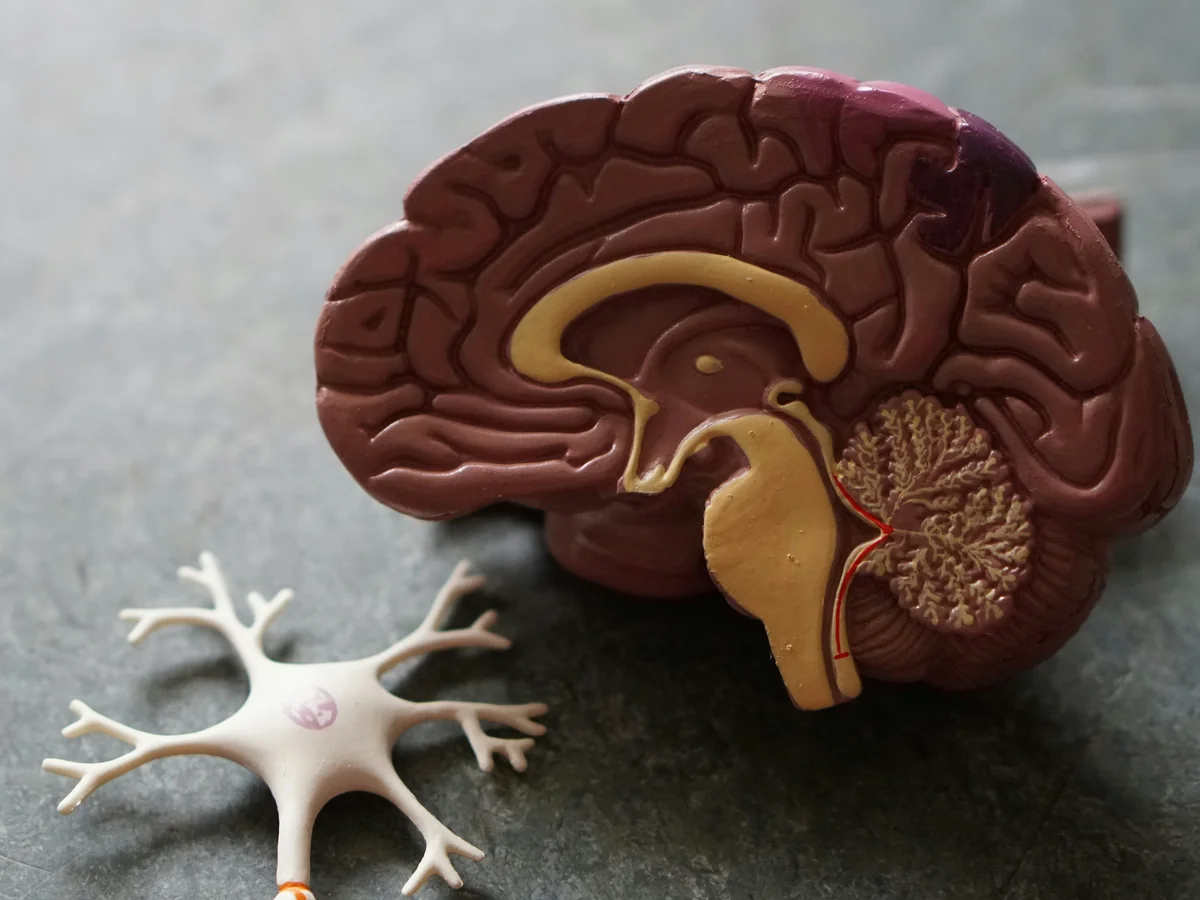
Most of us notice small changes in how our mind works as the years go by. A name takes a moment longer to come back. We walk into a room and wonder why. These moments are common, and they are rarely the whole story. This page brings together plain-language cues about everyday habits that keep the mind busy and the days interesting: reading, conversation, hobbies, moving a little, and sleeping on a regular rhythm.
We are not here to promise a “sharper brain” or to sell a method. We point you to what public health agencies say, we suggest simple ideas you can try at your own pace, and we explain when it makes sense to talk to a health professional. Our longer guides are listed at the end of each section, and new ones will appear on this page as they are published.
Brain health after 50: everyday habits for a sharp, curious mind.
This section gathers our plain-language guides on keeping the brain active as we age: hobbies and games, social life, sleep and daily routines. Each guide relies on official health sources and points out when a change in memory or mood is worth discussing with a doctor. Inserm (French National Institute of Health and Medical Research) lists physical inactivity and a lack of social contact among the recognised risk factors for Alzheimer’s disease, and notes that an active social life seems to be linked with later onset of symptoms. Inserm also explains that sleep plays a role in concentration, learning and memory, and that deep sleep becomes lighter as we age.
Source: Inserm (French National Institute of Health and Medical Research), “Maladie d’Alzheimer” and “Sommeil” (pages in French, accessed 31/10/2026).

01
What changes with age, and what usually doesn’t
The National Institute on Aging (NIA) explains that many older adults have mild forgetfulness, and that it is often a normal part of aging: taking longer to learn something new, or losing things from time to time. Experience, vocabulary and knowledge built over a lifetime usually stay with us.
What the NIA describes as different is memory trouble that makes everyday life hard, such as driving, using the phone or finding the way home. Signs it lists include asking the same questions over and over, getting lost in places you used to know well, and having trouble following recipes or directions. There is also an in-between stage that doctors call mild cognitive impairment. Only a health professional can tell these situations apart, which is why we never try to “score” memory on this site.
Our guide to normal memory loss vs. dementia explains these differences in more detail and lists the signs that are worth discussing with a doctor.
02
Staying curious: reading, games, learning something new
The ideas below are offered for the pleasure they bring, not as “brain training”. The NIA notes that researchers are still studying which activities matter most, so we do not rank them.
- Read in a way that suits you: books, magazines, large-print editions or audiobooks. A short chapter with your morning coffee counts.
- Play: card games, board games, crosswords or jigsaw puzzles, alone or with others.
- Learn something new: a language, an instrument, a craft, a recipe from another country. Libraries and community centers often run low-cost classes.
- Make things: gardening, knitting, woodworking, drawing, photography.
If you enjoy it, you are more likely to keep doing it. That is the only rule we suggest.

03
Staying connected: conversation, clubs, volunteering
Time with other people gives the mind a lot to do: following a story, remembering who said what, reacting and laughing. A weekly phone call with a friend, a walking group, a book club, volunteering at a school or a food bank, or simply chatting with neighbors are all ways to keep that contact going.
If you are not sure where to start, your local library, senior center or place of worship usually has a calendar of group activities. Many communities also offer rides or online sessions for people who no longer drive.
04
Moving a little every day
The CDC recommends that adults 65 and older get at least 150 minutes a week of moderate-intensity activity, such as brisk walking, plus muscle-strengthening activities on at least two days and activities that improve balance. The CDC also says that if a health condition makes that hard, being as active as your abilities allow still matters, and that some physical activity is better than none.
In practice, that can be a walk after lunch, gardening, dancing in the kitchen, or getting up during a long TV evening. Our guide to light daily movement has simple ideas, and our muscle strength page explains the guidelines in more detail. If you have a health condition, check with your doctor before you change your activity level.
05
Sleep and the rhythm of the day
A regular rhythm (getting up, eating, going outside and going to bed at roughly the same times) helps many people feel more settled during the day. Daylight in the morning, a calm hour before bed and a bedroom that stays dark and quiet are simple places to start. Our guide to sleep and the daily rhythm goes into more detail.
If you often feel very tired during the day, snore loudly, or lie awake most nights, mention it to your doctor rather than trying to fix it alone.

06
Hearing, vision and other health checks
The NIA’s page on cognitive health suggests managing long-term health problems such as high blood pressure, and getting hearing and vision problems checked. It is easier to join a conversation, read a menu or enjoy a film when you can hear and see well. If it has been a while since your last eye exam or hearing test, it may be worth booking one.
07
Everyday forgetfulness: when to talk to a health professional
Important
Talk to your doctor if you or someone close to you notices memory or thinking changes that are new, that keep coming back, or that make daily life harder: getting lost on a familiar route, struggling with bills or a recipe you know well, repeating the same questions, or changes in mood or judgment. It can help to write down examples and to bring a family member or friend to the appointment.
The NIA also explains that memory problems can come from things other than aging or dementia, such as side effects of medicines, depression, sleep problems or low levels of some nutrients, which a doctor can check. That is one more reason to ask rather than wait. If memory problems appear suddenly, together with confusion, weakness or difficulty speaking, call 911.
08
How we write these pages
Our pages summarize public health sources (listed below) in plain language. We do not give diagnoses, doses or personal advice, and we do not recommend pills or products for memory.
More topics




09
Guides coming soon
Coming soon
Everyday memory: what’s common with age
What the NIA says about mild forgetfulness, and the signs worth mentioning to a doctor.
Coming soon
Staying connected after 60
Clubs, volunteering, phone and video calls: ideas to keep in touch.
Coming soon
Hobbies to start at any age
Low-cost ideas to learn, make and play, at home or in a group.
Coming soon
Hearing and vision checks
When to book a check, and how to prepare for the appointment.

10
Frequently asked questions
Do puzzles and crosswords keep memory sharp?
We can’t promise that. The NIA even warns readers to be wary of claims that certain computer or online games improve memory and thinking. Puzzles and crosswords are a pleasant way to spend time, alone or with others, and enjoying an activity is a good reason to keep doing it. If you are worried about your memory, talk to your doctor.
When is forgetfulness worth mentioning to a doctor?
When changes are new, keep coming back, or make everyday tasks harder, for example getting lost in a familiar place or repeating the same questions. Write down a few examples to bring to the appointment.
How does sleep relate to memory?
Among everyday habits for memory, the NIA mentions getting enough sleep, generally seven to eight hours each night. Sleep problems are also on its list of things that can affect memory. If you sleep badly most nights or feel very tired in the day, talk to your doctor.
What about products sold “for memory”?
We do not recommend any pills, supplements or products for memory. If you are thinking about one, ask your doctor or pharmacist first, especially if you already take other medicines.
Where can I find group activities near me?
Libraries, senior centers, community colleges, places of worship and local volunteer groups often list classes, clubs and outings. Your local Area Agency on Aging can also point you to programs nearby.

11
Sources
- NIA, Memory Problems, Forgetfulness, and Aging (checked 03/10/2026)
- NIA, Cognitive Health and Older Adults (checked 03/10/2026)
- CDC, Older Adult Activity: An Overview (updated Dec. 4, 2025) (checked 03/10/2026)
- NIA, Health Benefits of Exercise and Physical Activity (checked 03/10/2026)