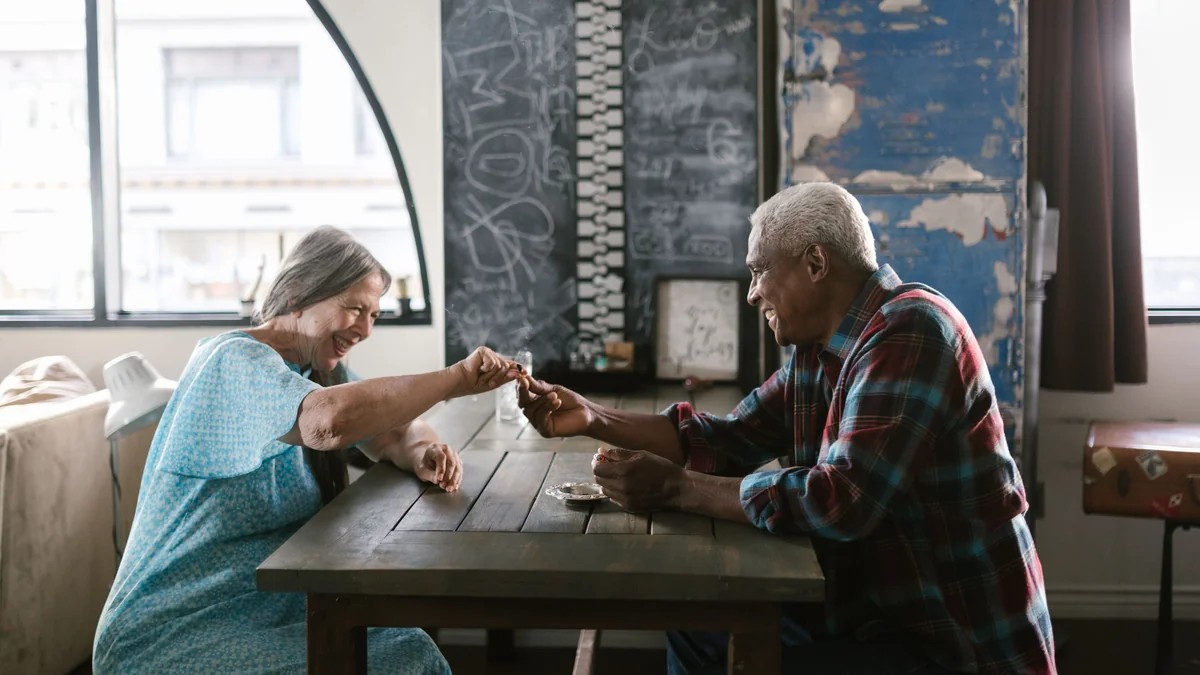
The holidays are meant to bring people together, but for some people they can also make an empty chair or a quiet phone feel louder. Many older adults regularly feel lonely, as the National Institute on Aging notes. It is not a personal failing, and it is worth taking seriously: research links it to real effects on physical and mental health. The good news is that small, regular steps to stay connected can make a difference.
In short: loneliness is the painful feeling of being alone, while social isolation means having few people to interact with regularly. According to the National Institute on Aging (NIA), both are associated with higher risks of problems such as heart disease, depression and cognitive decline. Hearing or vision loss, trouble getting around, living alone and the loss of family and friends can all raise the risk. Practical steps include a daily moment of contact, a shared activity, volunteering and getting hearing problems checked. If you feel lonely or isolated a lot of the time, tell your doctor.
Loneliness and social isolation are not the same thing
The NIA draws a clear line between the two. Loneliness is “the distressing feeling of being alone or separated.” Social isolation is “the lack of social contacts and having few people to interact with regularly.”
The two often go together, but not always. As the NIA puts it, you can live alone and not feel lonely or socially isolated, and you can feel lonely while being with other people. Someone who sees family every Sunday can still feel unseen, and someone who lives alone may have a full and satisfying social life. That is why the useful question is not only how many people you see, but also whether you feel connected to them
Why the risk grows after 60
Life after 60 often brings changes that quietly shrink a person’s circle. The NIA explains that older adults are at higher risk because of changes in health and social connections that can come with growing older: hearing, vision and memory loss, disability, trouble getting around, and the loss of family and friends.
The NIA lists a range of factors that may increase the risk, including:
- loss of mobility, or being unable to leave home without help;
- vision or hearing problems;
- living alone, or being separated from friends or family;
- a major life change, such as the death of a family member or retirement;
- feeling a lack of purpose;
- financial struggles or a lack of transportation;
- caring for a loved one who is unwell;
- living in a rural, unsafe or hard-to-reach neighborhood;
- language barriers, or discrimination.
Several of these can happen at once. Giving up driving, for example, can make it harder to see friends; our guide on when older adults should stop driving looks at that decision and the alternatives worth planning.
How loneliness can affect your health
This is not only about mood. The NIA states that “loneliness and social isolation are associated with higher risks for health problems such as heart disease, depression, and cognitive decline.” Its list of associated risks also includes high blood pressure, obesity, weakened immune function, anxiety, dementia (including Alzheimer’s disease) and earlier death.
Some of the link may come from habits. People who are lonely or socially isolated may get too little exercise, drink too much alcohol, smoke and sleep poorly, which the NIA notes can further increase the risk of serious health conditions. Emotional pain also plays a part: the NIA explains that it can activate the same stress responses in the body as physical pain, and that when this goes on for a long time it can lead to chronic inflammation and reduced immunity.
Isolation can also make everyday life harder. The NIA notes that too little social activity and being alone often may make it more difficult to perform everyday tasks such as driving, paying bills, taking medicine and cooking.
These are associations, not certainties. Feeling lonely does not mean you will become ill, but it is a good reason to act early, in the same way you would with any other risk to your health.
Hearing loss: a hidden driver of isolation
Hearing problems deserve their own mention because they are easy to overlook. The NIA explains that people with hearing loss may find it hard to follow conversations, and may withdraw because they feel frustrated or embarrassed. Sometimes, it adds, older adults are mistakenly thought to be confused or uncooperative when the reality is that they do not hear well.
Untreated hearing problems can get worse. If conversations have become tiring, or you find yourself avoiding gatherings because you cannot follow what is said, talk with a doctor. The NIA lists hearing aids, therapy, certain medicines and surgery among the treatments that can help. Ringing in the ears can add to the strain; our article on tinnitus after 60 explains who to see.
Practical ways to stay connected
The NIA suggests two starting points: take care of yourself, and stay active and connected with others. For self-care, it mentions exercising, eating healthy, getting enough sleep (7 to 9 hours) and pursuing activities you enjoy. For connection, these ideas from the NIA are a good menu to choose from:
- Make contact part of the day. Schedule time each day to stay in touch with family, friends and neighbors, in person, by email, social media, voice call or text. Letters and cards count too.
- Find a shared activity. Restart an old hobby or take a class to learn something new; you may meet people with similar interests. If you need ideas, see our list of hobbies to start at any age.
- Help others. The NIA notes that volunteering helps you feel less lonely and gives a sense of mission and purpose, which is linked to better health.
- Move with company. Join a walking club or work out with a friend. The NIA notes that adults should aim for at least 150 minutes of moderate-intensity activity each week. If that feels like a lot, start with a short daily walk and check with your doctor if you have a health condition.
- Use technology, with help if needed. Video calls or smart speakers can help you stay engaged. If you are not comfortable with technology, a class at a public library or community center can help you learn email or social media.
- Look close to home. Introduce yourself to your neighbors, and check what local community and senior centers, libraries, social service agencies and faith-based organizations offer.
- Consider a pet, if you are able to care for one. The NIA notes that animals can be a source of comfort and may also lower stress.
You do not need to do everything. One regular call, one weekly activity or one neighbor you can count on is a real start.
Getting through the holidays
The festive season can sharpen loneliness, especially after a bereavement or a move. A few steps can help: plan at least one contact for the days that feel hardest, say yes to an invitation even for a short visit, or offer your time to a community meal or a local group. If family lives far away, a scheduled video call can give the day a fixed point. And if you know an older neighbor or relative who may be alone, a short visit or a card can mean more than it seems.
Supporting someone who lives alone with dementia
For a person living alone with dementia, connection also supports safety. The NIA suggests identifying a trusted person, such as a neighbor, who can visit regularly in person or by video call and act as an emergency contact. Family and friends can help with video chats and email, and support groups, online or in person, can help too. Some communities have a memory café, which the NIA describes as a safe place to enjoy activities and socialize for people living with memory loss and their families and caregivers. If you are worried about memory changes in yourself or a loved one, our guide to normal memory loss vs. dementia can help you prepare questions for a doctor.
When to talk with your doctor
If you feel isolated or lonely a lot of the time, the NIA suggests telling your doctor or another health care professional. It helps to mention major changes or stresses in your life, such as a divorce or the death of a loved one, so your doctor can better understand how you are feeling. Be open about your health habits, your sleep and your mood.
Loneliness can overlap with depression or anxiety, which are treatable. If low mood lasts, if you have lost interest in things you used to enjoy, or if you have thoughts of harming yourself, seek help from a health professional promptly, and contact emergency services if you are in immediate danger.
In the United States, the NIA points to the Eldercare Locator (eldercare.acl.gov), which connects older adults and families with local support resources, including Area Agencies on Aging. In other countries, your doctor, local council or a community center can point you to similar services.
Frequently asked questions
What is the difference between loneliness and social isolation?
Loneliness is the distressing feeling of being alone or separated. Social isolation is having few social contacts and few people to interact with regularly. You can live alone without feeling lonely, and feel lonely among other people.
Why are older adults more at risk of loneliness?
According to the NIA, changes that can come with age raise the risk: hearing, vision and memory loss, disability, trouble getting around, and the loss of family and friends. Living alone, retirement and caregiving can also play a part.
Can loneliness affect your health?
The NIA says loneliness and social isolation are associated with higher risks of problems such as high blood pressure, heart disease, depression, cognitive decline and dementia. These are associations, so acting early is a sensible step.
How can an older person stay connected?
Simple, regular steps help: daily contact by phone, video or letters, a class or hobby, volunteering, a walking group, meeting neighbors and using local senior centers or libraries. One regular contact is already a good start.
Can hearing loss cause loneliness?
It can contribute. The NIA explains that people with hearing loss may find conversations hard and withdraw from others. If you think you have a hearing problem, talk with a doctor, as treatments can help.
Should I tell my doctor that I feel lonely?
Yes. The NIA suggests telling your doctor if you feel isolated or lonely a lot of the time, and mentioning major changes such as a bereavement. Seek help promptly if low mood lasts or you have thoughts of harming yourself.
Sources
- National Institute on Aging (NIH), “Loneliness and Social Isolation: Tips for Staying Connected” (content reviewed July 11, 2024; page updated October 16, 2026): https://www.nia.nih.gov/health/loneliness-and-social-isolation/loneliness-and-social-isolation-tips-staying-connected
Photo: RDNE Stock project / Pexels (Pexels License)