Author: The Aging Effect editorial team
Editorial review: Claims and sources checked on 14 November 2026 (Europe/Paris) against the official pages listed below. No named clinician is claimed as a reviewer.
Last reviewed: 14 November 2026
This article is for general information and does not replace advice from a doctor or other qualified health professional. If you notice changes in memory or mood, talk with a health professional.
Short answer: good hobbies for seniors are the ones you enjoy and can keep doing: a class at the library or community college, a hobby group (knitting, birdwatching, painting, wood carving), a choir, volunteering, or teaching a skill you already have. The National Institute on Aging (NIA) says that engaging in social and productive activities you enjoy “may help to maintain your well-being and independence as you age,” and advises starting with one or two activities. The Aging Effect sorts the ideas below by place and effort.
Why hobbies matter as we age
The NIA notes that as we grow older, we may spend more time at home alone, and that being lonely or socially isolated is not good for overall health. Its suggestion: try activities you find meaningful.
The NIA reports that research has described older adults with an active lifestyle as, among other things, happier and less depressed, and better prepared to cope. On the same page, the studies it cites on mood say that older adults who take part in activities they find meaningful “say they feel happier and healthier.” Choose activities because you like them; that is reason enough.
What the research does not promise
It is important to keep this in proportion. On cognitive health, the NIA writes that “evidence for a lasting beneficial cognitive effect of these types of activities is not definitive.” It also warns: “Beware of claims that playing certain computer and online games can improve your memory and thinking.”
So we do not present any hobby as a way to prevent memory loss or dementia. One study cited by the NIA found that older adults who learned quilting or digital photography had more memory improvement than those who only socialized or did less demanding activities — an encouraging finding, not a guarantee.
Ideas you can start at home
Many of the NIA’s suggestions can be done alone or from a distance, using a phone or computer:
- Learn something online. The NIA notes you may be able to find classes online — a language, cooking, or computer skills.
- Make something with your hands. Knitting, painting, wood carving, embroidery, calligraphy, building models or quilting all appear in the NIA’s lists.
- Puzzles and word games. Enjoyable for many people; see our Brain hub. We do not claim they “train” memory.
- Reconnect. The NIA suggests getting back in touch with old friends, for example through a high school or college alumni association.
- Play with grandchildren. Teach them a game or dance you remember from childhood, another idea from the NIA.
Ideas nearby: classes, clubs and volunteering
- Classes: the NIA suggests contacting your local community college or library; many offer free or discounted courses for older adults.
- Museums: many offer free group tours and educational programs, the NIA notes. That is general U.S. guidance from the NIA, not a promise about any particular museum.
- Senior or community centers: events and activities close to home.
- Hobby groups: knitting, hiking, birdwatching, painting or wood carving clubs.
- Music: sing in a community choir, or play in a local band or orchestra.
- Sports clubs for older adults: the NIA mentions bowling or bocce.
- Volunteering: at a school, library, museum, hospital or animal shelter; serving meals or organizing clothing donations; running errands for people with limited mobility.
- Teaching: pass on a skill — photography, chess, baking, woodworking — to a new generation.
How to start without overdoing it
The NIA’s advice is simple: “You might start by adding one or two activities to your routine and see how you feel. You can always add more.” It adds that activities you enjoy “should be fun, not stressful.”
A few practical cues:
- Pick by energy, not by obligation. One quiet hobby at home and one outing a week is a reasonable start.
- Mix mind, body and people. The NIA reports that variety may matter; a walking group, for instance, combines movement and company. Our weekly exercise schedule for seniors can help you fit in active hobbies.
- Check access. Ask about transportation, step-free access and costs before joining.
- Give it a few weeks. If it is not fun, try something else.
When to talk with a doctor
Hobbies are not a substitute for care. If you or someone close to you notices memory changes that affect daily life, or persistent low mood, talk with a health professional. Our Brain hub has a section on everyday forgetfulness and when to mention it to a doctor, and another on sleep and the rhythm of the day.
Frequently asked questions
What are good hobbies for seniors at home?
Ideas from the National Institute on Aging include taking a class online, crafts such as knitting, painting, embroidery or quilting, reconnecting with old friends, and teaching a game or skill to grandchildren.
Can hobbies prevent memory loss?
No hobby can be promised to prevent memory loss. The NIA says research is encouraging but that evidence for a lasting cognitive benefit from such activities is not definitive.
Do brain-training apps work?
The NIA warns to beware of claims that certain computer and online games can improve memory and thinking, saying there is not enough evidence that commercial brain-training apps have the same effect as research training programs.
How many activities should I start with?
The NIA suggests starting by adding one or two activities to your routine and seeing how you feel. You can always add more, and activities should be fun, not stressful.
Where can older adults find low-cost classes?
The NIA suggests your local community college or library, many of which offer free or discounted courses for older adults, as well as museums and community or senior centers.
Sources
- National Institute on Aging, “Participating in Activities You Enjoy As You Age”: https://www.nia.nih.gov/health/healthy-aging/participating-activities-you-enjoy-you-age (content reviewed March 28, 2022; opened 14/11/2026)
- National Institute on Aging, “Cognitive Health and Older Adults”: https://www.nia.nih.gov/health/brain-health/cognitive-health-and-older-adults (content reviewed June 11, 2024; opened 14/11/2026)
Sources opened on 14 November 2026 (Europe/Paris). No product, app or class has been tested by The Aging Effect.
Related: Brain hub
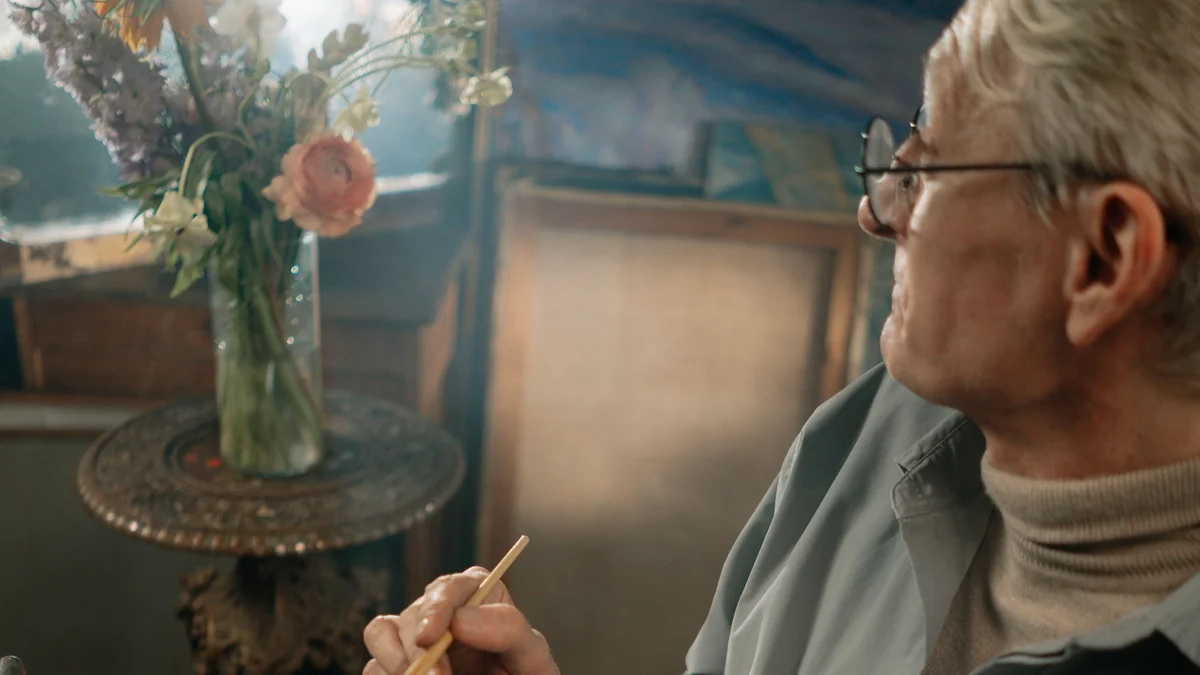
Photo: cottonbro studio / Pexels (Pexels License)