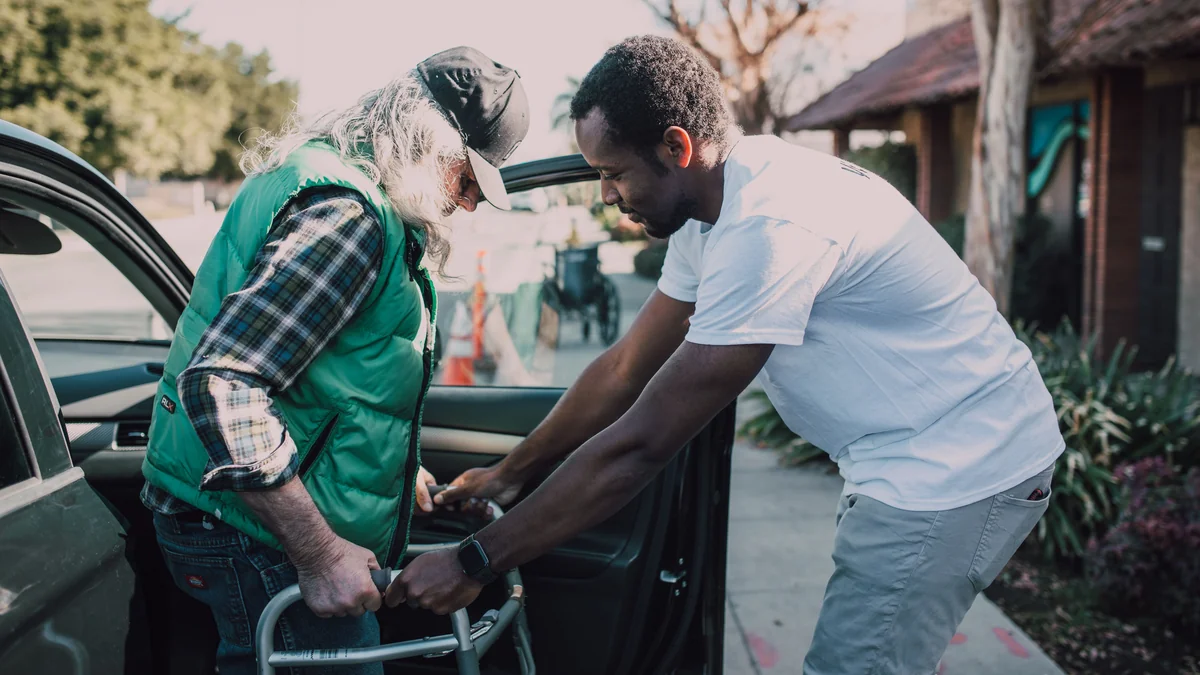
Getting out of the hospital on crutches, sleeping in a new position, wondering when you can drive again: recovery after a knee replacement is made of many small milestones rather than one finish line. The NHS and the American Academy of Orthopaedic Surgeons (AAOS) describe the same broad path, from the first walk with a physiotherapist to a follow-up visit around six weeks and heavier tasks after about three months.
In short: the NHS says that “It may take several months or longer to fully recover from a knee replacement.” Most people go home within 1 to 4 days, walk with crutches or a frame at first, wear compression stockings for at least 6 weeks, have a follow-up visit at about 6 weeks, and return to work after roughly 6 to 12 weeks depending on the job. Your surgeon and physiotherapist set your own timetable, and some warning signs need prompt medical advice.
How long does recovery really take?
The NHS explains that recovery “can vary depending on your age and general health,” and that recovery from a partial knee replacement should be shorter than from a total knee replacement. A total knee replacement replaces the whole joint with metal and plastic parts, a partial one only some of it. The NHS adds that it is important to follow the advice the hospital gives you on looking after your knee.
Recovery does not follow a fixed timetable, so treat the milestones below as typical markers, not deadlines.
Week by week at a glance
| When | What the NHS and AAOS describe |
|---|---|
| Day of surgery to day 4 | Recovery room, pain relief, first steps with a physiotherapist, crutches or a frame; most people go home within 1 to 4 days |
| Around day 10 | Stitches or clips are usually removed by a nurse (NHS) |
| Weeks 1 to 6 | Home exercises, compression stockings, elevating the leg, walking aids used as advised |
| About week 6 | Follow-up appointment; many people try walking without an aid if they feel ready |
| Weeks 6 to 12 | Driving may restart (about 3 weeks for a partial replacement, at least 6 for a total, once your doctor agrees); return to work often falls here |
| About 3 months | Heavy household tasks such as vacuuming or carrying shopping may restart, if your team agrees |
| Several months or more | Full recovery of strength and movement |
The first days: in hospital
After the operation you spend time in a recovery room, where you may be given medicines to help with the pain. The NHS says you will keep having painkillers in the following days because the knee will be sore. AAOS agrees that some pain is a natural part of healing. Use pain medicines only as your team directs, and tell them if pain is not improving.
Movement starts early. Nurses and physiotherapists help you walk soon after surgery, at first with crutches or a walking frame. AAOS notes that many patients can begin exercising the knee within hours, and that moving the foot and ankle early helps blood flow in the leg. Taking frequent deep breaths also matters: AAOS explains that shallow breathing after surgery can make patients more susceptible to pneumonia.
Week 1: going home
You can usually go home when there are no signs of complications and you can get around safely with crutches. The NHS says this is typically 1 to 4 days after the operation, and AAOS notes that some people go home the same day. Before you leave, you will usually be given compression stockings to help prevent blood clots, and a physiotherapist or occupational therapist will talk to you about daily activities and a home exercise programme.
The NHS says that following the exercises early on helps with long-term strength and movement in the knee. In the early days, the NHS advice is to:
- use crutches or walking sticks at first, going down to one crutch and then a walking stick when you feel confident;
- keep your leg raised as much as possible to reduce swelling;
- avoid twisting your knee, bending down and reaching up as much as possible.
AAOS suggests preparing the home before surgery, for example with secure handrails, a stable chair with arms and a footstool, and loose rugs and cords removed.
Weeks 1 to 2: wounds and stitches
The NHS says a nurse will usually take out stitches or clips after about 10 days. AAOS adds that stitches or staples are removed several weeks after surgery, so follow the instructions you were given.
Weeks 2 to 6: building strength and movement
This stretch is mostly about regular exercise and gradually doing more around the house. AAOS says exercise is a critical part of home care in the first weeks and describes a program of graduated walking, first indoors and then outside, together with specific exercises several times a day. Your physiotherapist tells you which exercises to do. Some pain with activity and at night is common for several weeks, according to AAOS.
Practical points from the NHS for this period:
- Compression stockings: wear them at all times and take them off only to wash them. Most people need them for at least 6 weeks.
- Sitting and sleeping: do not sit with your legs crossed for the first 6 weeks, and do not sleep with a pillow under your knee. You do not need a special sleeping position. If pain is disturbing your nights, tell your team; our guide to a daily sleep rhythm covers general sleep habits.
- Standing: avoid standing for long periods, which could cause swelling in your ankles.
For gentle ideas to keep moving once your physiotherapist agrees, see our guide to light daily movement.
About week 6: follow-up, walking and driving
The NHS says you will have a follow-up appointment about 6 weeks after the operation to check that you are recovering well. If you feel ready, you can try walking without an aid after about 6 weeks.
Driving is a common question. The NHS advice is to wait at least 6 weeks to drive again after a total knee replacement, or 3 weeks after a partial one, and to check with your doctor that you are fit to drive. AAOS gives a similar picture: most people drive again about 4 to 6 weeks after surgery, once the knee bends enough to sit comfortably in the car and muscle control gives adequate reaction time for braking and accelerating. Because the figures differ slightly, follow your surgeon’s advice. For a wider look at fitness behind the wheel, read our article on when older adults should stop driving.
Weeks 6 to 12 and beyond
The NHS says most people return to work after about 6 to 12 weeks, depending on the type of work they do. It also advises not to do household tasks that involve lifting or moving anything heavy for the first 3 months, such as vacuuming or carrying shopping, and not to kneel on the new knee until your doctor says you can. AAOS notes that kneeling is sometimes uncomfortable but is not harmful, which is another reason to ask your own surgeon.
Over the following months, the new knee settles in. AAOS says that:
- restoring full motion is uncommon, but most patients can almost fully straighten the knee and bend it enough to climb stairs and get in and out of a car;
- clicking sounds from the metal and plastic parts are normal and often diminish with time;
- most surgeons advise against high-impact activities such as running or jumping for the rest of your life after surgery.
AAOS also recommends regular light exercise, precautions against falls, telling your dentist about your knee replacement and routine follow-up with your orthopaedic surgeon. A fall in the first weeks can damage the new knee, and stairs are a hazard until the knee is strong and mobile.
Warning signs: when to get medical advice
Most people who have a knee replacement have no complications, and when there are any they are usually minor and treatable, according to the NHS.
The NHS lists these signs, which could point to an infection or a blood clot, as a reason to ask for urgent medical advice:
- throbbing or cramping pain in the leg;
- a high temperature, or feeling hot, cold or shivery;
- oozing or pus from the wound;
- redness, tenderness, swelling or pain in the knee that is not getting better or is getting worse.
AAOS adds increasing pain in the calf, tenderness or redness above or below the knee, and new or increasing swelling in the calf, ankle or foot as possible signs of a clot, and chills or drainage from the wound as possible signs of infection. Contact your surgical team or doctor promptly if any of these appear.
Pain and swelling in the leg together with difficulty breathing or chest pain can be a sign of a blood clot in the lungs. The NHS says this needs treatment immediately: seek emergency care straight away, and do not drive yourself.
How long does a knee replacement last?
The NHS says most knee replacements last about 25 years, and that a second operation later in life is not common. AAOS reports that more than 90% of modern total knee replacements are still working well 15 years after surgery. This guide is general information and not a substitute for your surgeon’s advice. Always follow the plan your hospital gave you.
Frequently asked questions
How long does it take to recover from a knee replacement?
The NHS says it may take several months or longer to fully recover, depending on your age and general health. Recovery from a partial knee replacement should be shorter than from a total one.
When can I walk without crutches after a knee replacement?
The NHS says you can try walking without an aid after about 6 weeks if you feel ready. Follow your physiotherapist’s advice.
When can I drive after a knee replacement?
The NHS advises waiting at least 6 weeks after a total knee replacement or 3 weeks after a partial one, and checking with your doctor that you are fit to drive. AAOS says most people drive again about 4 to 6 weeks after surgery.
When can I go back to work after a knee replacement?
The NHS says most people return to work after about 6 to 12 weeks, depending on the type of work they do.
Is night pain normal after a knee replacement?
AAOS says some pain with activity and at night is common for several weeks after surgery. Tell your team if pain is getting worse or is not improving.
What signs after a knee replacement need medical advice?
Throbbing or cramping leg pain, a high temperature or shivers, oozing or pus from the wound, and redness or swelling in the knee that is getting worse can signal infection or a clot. Contact your surgical team or doctor promptly.
Sources
- NHS, “Recovering from a knee replacement” (page last reviewed September 9, 2026): https://www.nhs.uk/tests-and-treatments/knee-replacement/recovery/
- NHS, “Complications of a knee replacement” (page last reviewed September 9, 2026): https://www.nhs.uk/tests-and-treatments/knee-replacement/complications/
- NHS, “What is a knee replacement?” (page last reviewed September 9, 2026): https://www.nhs.uk/tests-and-treatments/knee-replacement/what-is-a-knee-replacement/
- American Academy of Orthopaedic Surgeons (OrthoInfo), “Total Knee Replacement” (date not available): https://orthoinfo.aaos.org/en/treatment/total-knee-replacement/
Photo: RDNE Stock project / Pexels (Pexels License)