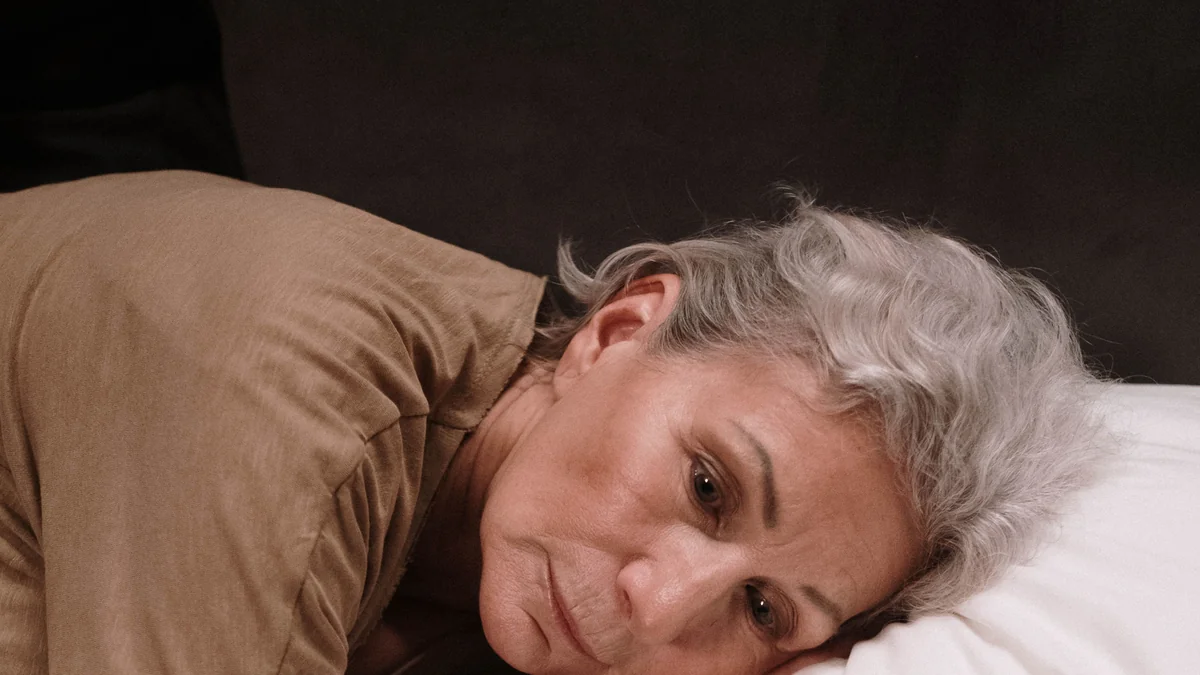
An urge to move your legs as soon as you settle into an armchair or lie down in bed, a crawling or aching feeling that eases only when you get up and walk: this is how restless legs syndrome (RLS) often shows up. It can begin at any age, and it can quietly erode sleep for years before anyone names it. Knowing the typical pattern can help you describe it clearly to a doctor.
In short: restless legs syndrome is a neurological condition that causes an irresistible urge to move the legs, usually with uncomfortable sensations, mostly in the evening and at night when you are resting. According to the National Institute of Neurological Disorders and Stroke (NINDS), it most often begins in middle age and is more common in women. It can be linked to low iron, kidney disease, nerve damage, some medicines and other conditions. Regular sleep habits, daytime exercise and cutting down on caffeine and alcohol may help. See a doctor if it disturbs your sleep or your mood, and never start, stop or change a medicine on your own.
What restless legs syndrome feels like
NINDS describes RLS, also known as Willis-Ekbom disease, as “a neurological condition that causes an irresistible urge to move the legs.” It is both a sleep disorder, because it is triggered by resting and trying to sleep, and a movement condition, because people feel forced to move their legs to find relief.
The sensations are hard to put into words. NINDS says they may feel like aching, throbbing, pulling, itching, crawling or creeping. The NHS lists tingling, throbbing or itching, and sometimes pain in the legs. They usually affect both legs, but can affect only one side, and some people also feel them in the arms.
Three features are typical, according to NINDS:
- They start with rest. Symptoms tend to appear when you have been inactive or sitting for a long time, such as on a long trip or while watching a film.
- Movement brings relief. Walking, pacing or moving the legs eases the discomfort, but the sensations often come back as soon as you stop.
- They are worse in the evening and at night. Many people feel them in the late afternoon or evening, with a symptom-free period in the early morning.
Why it matters for sleep and daytime life
Because symptoms peak when you lie down, RLS can make it hard to fall asleep or to get back to sleep after waking. Over time, NINDS notes, people with RLS may experience exhaustion and daytime sleepiness, trouble concentrating, memory problems, changes in mood, and depression and anxiety.
Symptoms vary from day to day and from person to person. NINDS explains that some people have periods of remission, when symptoms ease or disappear for weeks or months, usually in the early stages, but that symptoms often come back and become more severe over time. If poor sleep is already a concern, our guide to daily rhythm and sleep has simple routines that support a steadier night.
Restless legs and leg jerks during sleep
Many people with RLS also have periodic limb movement of sleep (PLMS): involuntary twitching or jerking of the legs, sometimes the arms, during sleep. NINDS notes that most people with RLS also have PLMS, but most people with PLMS do not have RLS. If you share a bed, your partner may have noticed these movements, so it can help to ask them what they see.
Who is more likely to have it, and why
NINDS says that RLS can develop at any age, but most often begins in middle age, and that it is more common in women. In most cases the cause is unknown. It often runs in families, and the NHS notes you are more likely to get it if someone in your family has it.
Both NINDS and the NHS point to a link with iron and with dopamine, a brain chemical involved in movement. NINDS adds that people with Parkinson’s disease have an increased risk of developing RLS; our article on the early signs of Parkinson’s explains how that condition differs from normal aging.
RLS can also happen alongside other conditions. The ones NINDS and the NHS mention include:
- low iron levels or iron deficiency anaemia;
- kidney disease, including end-stage kidney disease and dialysis;
- nerve damage (neuropathy);
- sleep deprivation and other sleep problems, including sleep apnea;
- pregnancy, especially late pregnancy;
- alcohol, nicotine and caffeine.
Medicines can play a part. NINDS notes that certain medicines may make RLS symptoms worse, such as some anti-nausea drugs, antipsychotic drugs, antidepressants that increase serotonin, and some antihistamines. If you take any of these, do not stop them on your own: bring your full medicine list, including over-the-counter sleep or allergy products, to your doctor or pharmacist and ask whether anything could be contributing.
Conditions that can look similar
Not every uncomfortable leg at night is RLS. The NHS notes that some conditions can cause similar symptoms, including leg cramps and peripheral neuropathy. Cold feet and painful toes in winter can have other causes too, such as chilblains. Only a health professional can sort out which explanation fits, which is why it is worth describing your symptoms carefully rather than guessing.
How RLS is diagnosed
There is no single test for RLS. According to NINDS, a health care provider reviews your symptoms, medical history, medicines and family history, and performs a physical and neurological examination. They may ask how often symptoms occur, how long they last and how intense they are.
Blood tests can help rule out other causes, such as kidney problems or low iron levels, and NINDS notes that other causes of disrupted sleep, like sleep apnea, may also be considered. Before your appointment, it helps to note:
- when the sensations start, what they feel like and what eases them;
- how often they happen and how they affect your sleep;
- every medicine and supplement you take;
- whether a family member has similar symptoms.
Everyday steps that may help
RLS has no cure, but NINDS says treatment can help manage some symptoms, and the first step is to address anything that could be making them worse. Lifestyle changes may bring some relief. Drawing on NINDS and the NHS, these are the main ones:
- Keep a regular sleep schedule, going to bed and getting up at the same time every day, in a dark, quiet bedroom.
- Exercise during the day, moderately and consistently, and avoid strenuous exercise late at night. For gentle ideas, see our guide to light daily movement.
- Cut down on caffeine, alcohol and nicotine. The NHS suggests no caffeine, such as tea, coffee or energy drinks, after midday and no alcohol for at least 2 hours before bed, and recommends getting help to stop smoking.
- Try warmth or massage. A warm bath, a heating pad, or massaging or stretching your legs before bed or during symptoms may help.
- Distract yourself during an episode with reading, a puzzle or a game.
- Avoid big late meals, daytime naps and screens right before bed, which the NHS lists among things not to do.
These steps do not suit everyone, and they are not a substitute for medical advice, especially if you have a heart, circulation or nerve condition.
Treatment is a decision for your doctor
Treatment depends on what is causing the symptoms. If another condition is involved, such as low iron, diabetes, neuropathy or sleep apnea, treating it may help. The NHS notes, for example, that you may need iron supplements if a blood test shows low iron. Iron is not something to start on a hunch: ask your doctor first.
When lifestyle changes are not enough, doctors may prescribe medicines. The choice depends on the cause, how severe the symptoms are and your other conditions, and NINDS cautions that some medicines that help at first can make symptoms worse with long-term use. NINDS also describes a prescription device approach called tonic motor activation, worn on the lower legs. Only your doctor can weigh these options with you. Never start, stop or change a medicine on your own, and if your symptoms get worse or do not improve, ask whether a referral to a specialist makes sense.
When to see a doctor
The NHS advises seeing a GP or family doctor if you have symptoms of restless legs syndrome and:
- it is stopping you from sleeping;
- it is affecting your mental health;
- you have tried things you can do yourself and they have not helped.
It is also worth mentioning new leg symptoms if you have kidney disease, diabetes, nerve problems or Parkinson’s disease, or if they started after a new medicine. If RLS is wearing down your mood, the NHS notes that talking therapies may help.
Frequently asked questions
Is restless legs syndrome common in older adults?
RLS can develop at any age, but NINDS says it most often begins in middle age and is more common in women. NINDS also notes that symptoms often come back and become more severe over time.
Why are restless legs worse at night?
RLS is triggered by rest. Symptoms typically appear when you are inactive, especially in the evening and at night, and ease with movement. That is why lying down to sleep often brings them on.
What can cause restless legs syndrome?
Often there is no clear cause, and it can run in families. It has been linked to low iron, kidney disease, nerve damage, sleep problems, pregnancy and some medicines. A doctor can check for these.
Can low iron cause restless legs?
Both NINDS and the NHS describe a link between RLS and iron. A blood test can show whether your iron is low. Do not take iron supplements without asking your doctor first.
What helps restless legs at night?
A regular sleep schedule, daytime exercise, less caffeine and alcohol, a warm bath and leg massage or stretching may help some people. If symptoms disturb your sleep, talk with your doctor.
When should I see a doctor about restless legs?
See a doctor if restless legs stop you from sleeping, affect your mental health, or do not improve with self-help. Never start, stop or change a medicine on your own.
Sources
- National Institute of Neurological Disorders and Stroke (NIH), “Restless Legs Syndrome” (last reviewed March 13, 2026): https://www.ninds.nih.gov/health-information/disorders/restless-legs-syndrome
- NHS, “Restless legs syndrome” (page last reviewed September 22, 2025): https://www.nhs.uk/conditions/restless-legs-syndrome/
Photo: Ron Lach / Pexels (Pexels License)