General information, not medical advice. If you have pain, blood in your stool, weight loss you can’t explain, or a lasting change in your bowel habits, talk to your doctor.
Digestion is one of those things we only think about when it feels off. With age, routines change: we may move less, eat smaller meals, drink less without noticing, or take new medicines. Any of these can affect how comfortable the gut feels from day to day.
This page gathers simple cues from public health sources about fiber, drinking through the day, moving, and the rhythm of meals, and it lists the signs that call for medical advice. It does not promise to change your “gut health”, and it does not recommend any product. If something has changed and it worries you, your doctor is the right person to ask.
Gut health after 50: practical steps for comfortable digestion.
This section covers digestion and eating habits as we get older: fiber, hydration, regular meals and gradual changes. Our guides follow official nutrition guidance and remind you which symptoms need medical advice rather than a home fix. Inserm (French National Institute of Health and Medical Research) explains that the gut microbiota, the community of microbes living in our intestine, plays a part in digestion, partly by feeding on the fibre in our food.
Source: Inserm (French National Institute of Health and Medical Research), “Microbiote intestinal (flore intestinale)” (page in French, accessed 31/10/2026).
01
How digestion works, in plain words
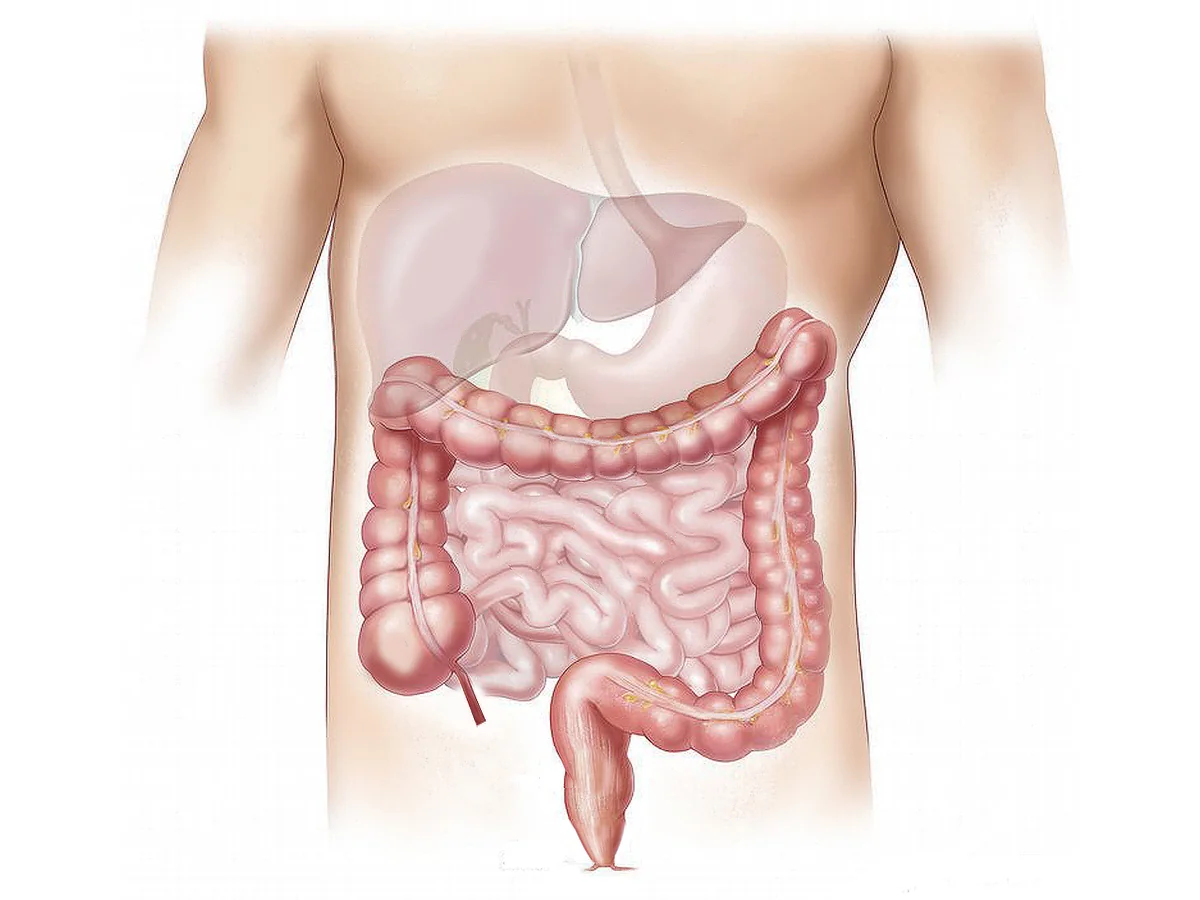
The National Institute of Diabetes and Digestive and Kidney Diseases (NIDDK) describes the digestive tract as a long, twisting tube that runs from the mouth to the anus, through the stomach and the small and large intestines. Along the way, food and drink are broken down into smaller parts that the body can absorb and use.
The NIDDK also explains that bacteria living in the digestive tract, often called gut flora or the microbiome, help with digestion. Research on the microbiome is active and fascinating, but much of it is still at an early stage. Be cautious with products or headlines that claim to “reset” or “rebalance” your gut.
02
Fiber: adding it gradually
Fiber is found in plant foods. The NIDDK says that, depending on age and sex, adults should get 22 to 34 grams of fiber a day, and that older adults sometimes don’t get enough, partly because they may lose interest in food. Foods it lists include:
- Whole grains, such as whole wheat bread and pasta, oatmeal and bran flake cereals.
- Legumes, such as lentils, black beans, kidney beans and chickpeas.
- Fruits, such as berries, apples with the skin on, oranges and pears.
- Vegetables, such as carrots, broccoli, green peas and collard greens.
The NIDDK’s advice is to add fiber a little at a time, so your body gets used to the change. If you follow a special diet, have a digestive condition, or have trouble chewing or swallowing, ask your doctor or a registered dietitian what suits you.
03
Drinking regularly through the day
The NIDDK explains that drinking water and other liquids, such as clear soups, helps fiber work better. It also suggests asking a health care professional how much liquid you should drink each day, since that depends on your size, health and activity. The NHS lists not drinking enough fluids among common causes of constipation.
Thirst can be easy to miss. A glass of water with each meal, a bottle within reach, or a warm drink in the afternoon are simple ways to drink regularly without counting. If your doctor has asked you to limit fluids, follow their advice.
04
Moving every day, even a little
The NHS notes that a daily walk can help some people go more regularly. Moving also fits the wider activity guidelines for older adults described on our muscle strength page. A short walk after a meal, some gardening, or a few minutes of light daily movement are easy places to start, at your own pace.
05
Meal rhythm and time at the table
Regular meals give the day a shape. The NIA suggests choosing a variety of nutrient-dense foods across all the food groups: vegetables, fruits, grains, protein foods and dairy. Eating with others, sitting down without rushing and chewing well can make meals more pleasant.
The NHS also suggests a regular time and place for the toilet, giving yourself plenty of time, not delaying when you feel the urge, and resting your feet on a low stool so your knees are above your hips. Our guide to gentle daily routines has more ideas for a steady daily rhythm.
06
Signs that call for medical advice
Important
The NIDDK says to see a doctor right away if you have constipation along with blood in your stool, constant pain in your abdomen, being unable to pass gas, vomiting, fever, lower back pain, or losing weight without trying. The NHS also suggests seeing a GP if constipation keeps coming back, if you are often bloated, if you feel tired all the time, or if you notice a sudden change in your bowel habits.
Some medicines can affect digestion. Talk to your doctor or pharmacist about it, and don’t stop a prescribed medicine on your own, as the NHS reminds readers.
07
Probiotics and other products: what to know
We do not recommend any probiotic, pill, powder or “gut” product. The NIDDK even lists some products people take on their own, including iron, among possible contributors to constipation: a good reminder that nothing you take is neutral. If you are thinking about any product, ask your doctor or pharmacist first, especially if you already take other medicines.
08
How we write these pages
We summarize public sources in plain language and list them below. We do not give diagnoses, doses or personal advice.
More topics
09
Guides coming soon
Coming soon
Fiber, step by step
Simple swaps to add fiber gradually, meal by meal.
Coming soon
Drinking through the day
Easy habits to drink regularly, and when fluids are limited.
Coming soon
Bowel changes: when to see a doctor
The signs that call for medical advice, in one place.
Coming soon
When your appetite changes
Ideas for smaller appetites, eating alone, and chewing difficulties.

10
Frequently asked questions
How much fiber do adults need?
The NIDDK says that, depending on age and sex, adults should get 22 to 34 grams of fiber a day, and suggests adding it a little at a time. Your doctor or a dietitian can tell you what suits you.
How much water should I drink?
There is no single number for everyone. The NIDDK suggests asking a health care professional, since it depends on your size, health and activity. If you have been told to limit fluids, follow that advice.
When should I see a doctor about constipation?
Right away if it comes with blood in your stool, constant abdominal pain, vomiting, fever, being unable to pass gas, or weight loss without trying. Also see your doctor if it keeps coming back or if your bowel habits change suddenly.
Should I take probiotics?
We don’t recommend probiotics or any other product. Ask your doctor or pharmacist before taking anything new, especially if you already take medicines.
Can my medicines affect digestion?
Yes, some can. The NIDDK and the NHS both mention medicines among possible causes of constipation. Talk to your doctor or pharmacist, and never stop a prescribed medicine on your own.

11
Sources
- NIDDK, Your Digestive System & How It Works (checked 03/10/2026)
- NIDDK, Eating, Diet, & Nutrition for Constipation (checked 03/10/2026)
- NIDDK, Symptoms & Causes of Constipation (checked 03/10/2026)
- NHS, Constipation (checked 03/10/2026)
- NIA, Healthy Eating, Nutrition, and Diet (checked 03/10/2026)